

Robert Cody
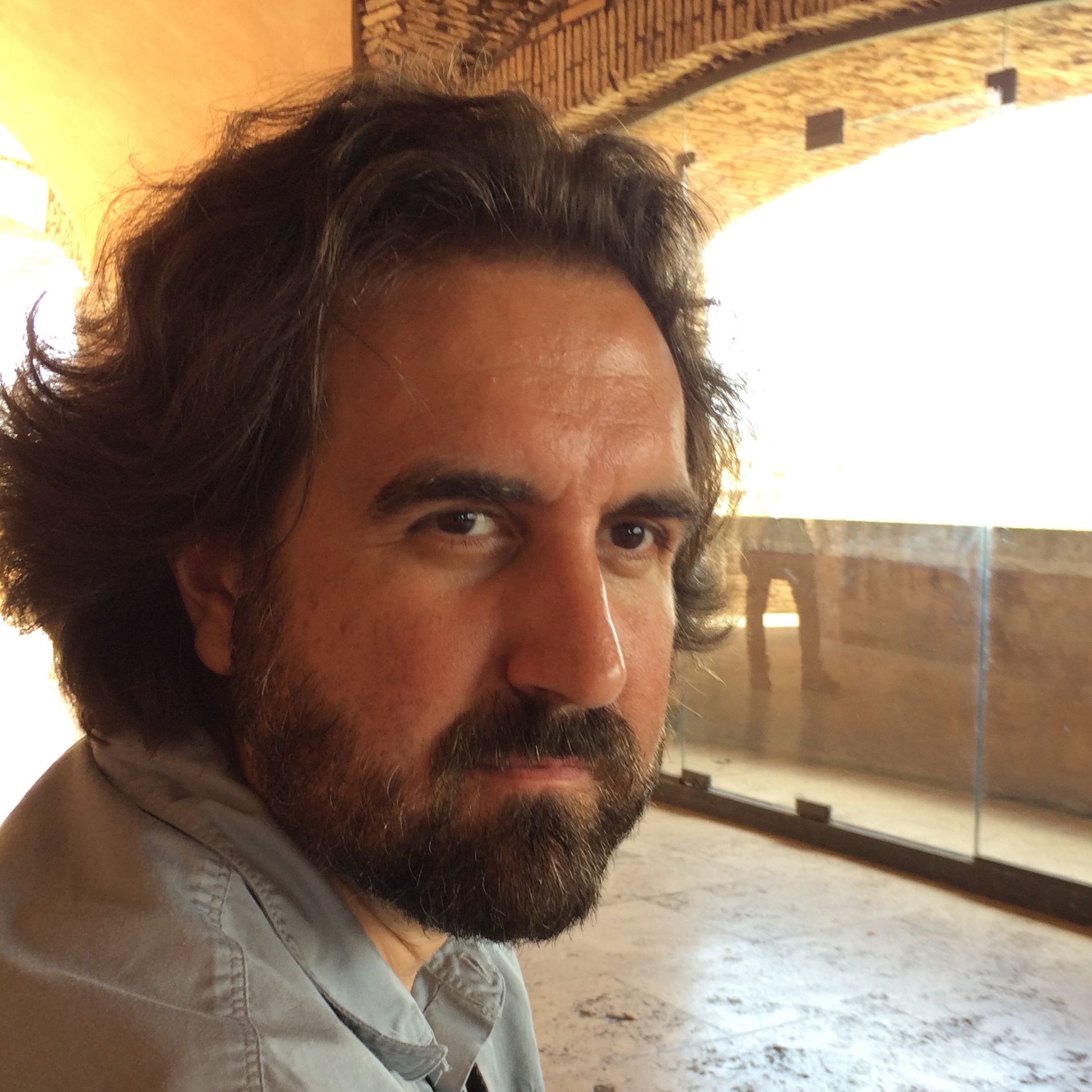
Robert Cody is a registered architect in New York, a LEED Accredited Professional, and a member of the AIA and NCARB. He is the founding partner of Amoia Cody Architecture, established with his partner Angela Amoia. Since 2005, he has taught at the New York Institute of Technology, where he has served as Professor of Practice since 2019 and currently serves as Director of the Master of Architecture (M.Arch) program. His teaching focuses on comprehensive and community-based design studios, as well as building technology coursework that integrates environmental systems, performance modeling, and construction methodologies into the design process.
At NYIT, Robert has taught and coordinated studios at all levels, including thesis, comprehensive design, and community design, as well as courses in building construction and architectural theory. He has also led study abroad and travel programs in Italy, Germany, and Scandinavia (2014–2019), including academic trips to Finland to study Alvar Aalto’s buildings, campuses, and regional planning strategies firsthand, which have directly informed his research and writing. His leadership roles at NYIT have included Chair (2011–2017), Associate Dean (2017), and Director of Undergraduate Programs (2018).
Robert’s early curiosity about how things are made—beginning with award-winning model-making and design experimentation at a young age—grew into a career defined by both technical rigor and conceptual clarity. He earned his architectural license soon after graduating in 1993 and has worked with notable firms, including Kohn Pedersen Fox and Beckhard Richlan Associates. Today, he continues to practice actively through design projects, competitions, and an ongoing scholarship focused on how architecture shapes environmental performance, cultural meaning, and users' lived experience.
Angela Amoia

Angela Amoia is a partner at Amoia Cody Architecture and an Adjunct Associate Professor of Architecture at the New York Institute of Technology’s School of Architecture and Design. Since earning her Master of Science in Advanced Architectural Design from Columbia University—where she began her early research on Alvar Aalto—she has maintained a long-standing commitment to bridging architectural practice, education, and design scholarship.
Amoia has taught across history, theory, and architectural design studio curricula, including comprehensive studios that integrate conceptual development with technical resolution and professional standards. She has also contributed to study abroad programming in Italy, using travel as a pedagogical platform for engaging architectural history, material culture, and urban precedent as active tools for contemporary design thinking.
Her professional experience spans a wide range of building types and scales, shaped by leadership roles within both internationally and locally recognized New York City firms. As a project manager, she has guided complex projects including skyscrapers, large-scale academic facilities, residential buildings, and adaptive reuse work. Across these diverse contexts, her focus has consistently centered on design integrity—ensuring that architectural intent is carried through detailing, coordination, and construction execution. She has worked with notable practices including Kohn Pedersen Fox and TRA Architects, bringing rigorous project delivery expertise to both her firm and her teaching.
Amoia’s architectural sensibility is grounded in an early visual discipline: she began drawing not simply to document what she saw, but to convey the emotional and spatial character of place. Influenced by a family background that includes Italian landscape artists, she developed an enduring interest in how environments communicate identity, memory, and atmosphere—an outlook that continues to shape her approach to architectural composition, material expression, and human experience.
Together, Robert Cody and Angela Amoia are the co-authors of Alvar Aalto and the Future of Architecture and the NYC Green Density Zoning Handbook, publications that emerged directly from their practice-based teaching and collaborative research at the intersection of design, sustainability, and building technology. These works reflect a shared methodology that connects architectural experimentation with real-world constraints—including zoning frameworks, environmental performance, material systems, and evolving urban policy—while advancing design as a tool for ecological and social adaptation.
Their most recent book, Alvar Aalto and Urban Design, provides a fresh and timely interpretation of Aalto’s regional and community planning work, emphasizing how his strategies anticipated contemporary priorities such as resiliency, energy awareness, public health, and long-term environmental performance. The book positions Aalto’s planning not as a fixed historical model, but as a living framework—offering architects, planners, and educators actionable lessons for shaping more regenerative, socially responsive, and ecologically grounded futures for cities in the 21st century.